What drives commercial mini-golf construction cost?
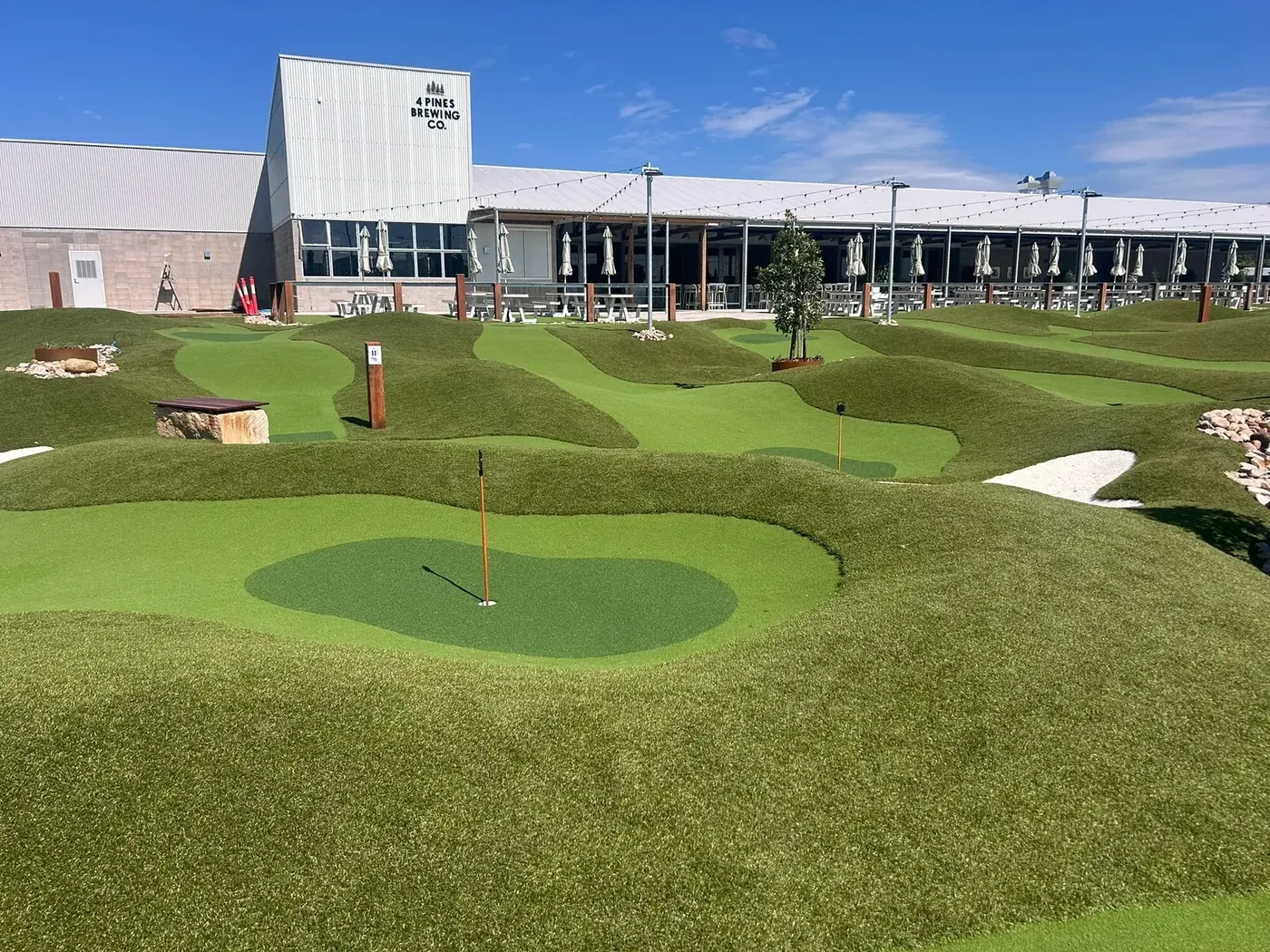
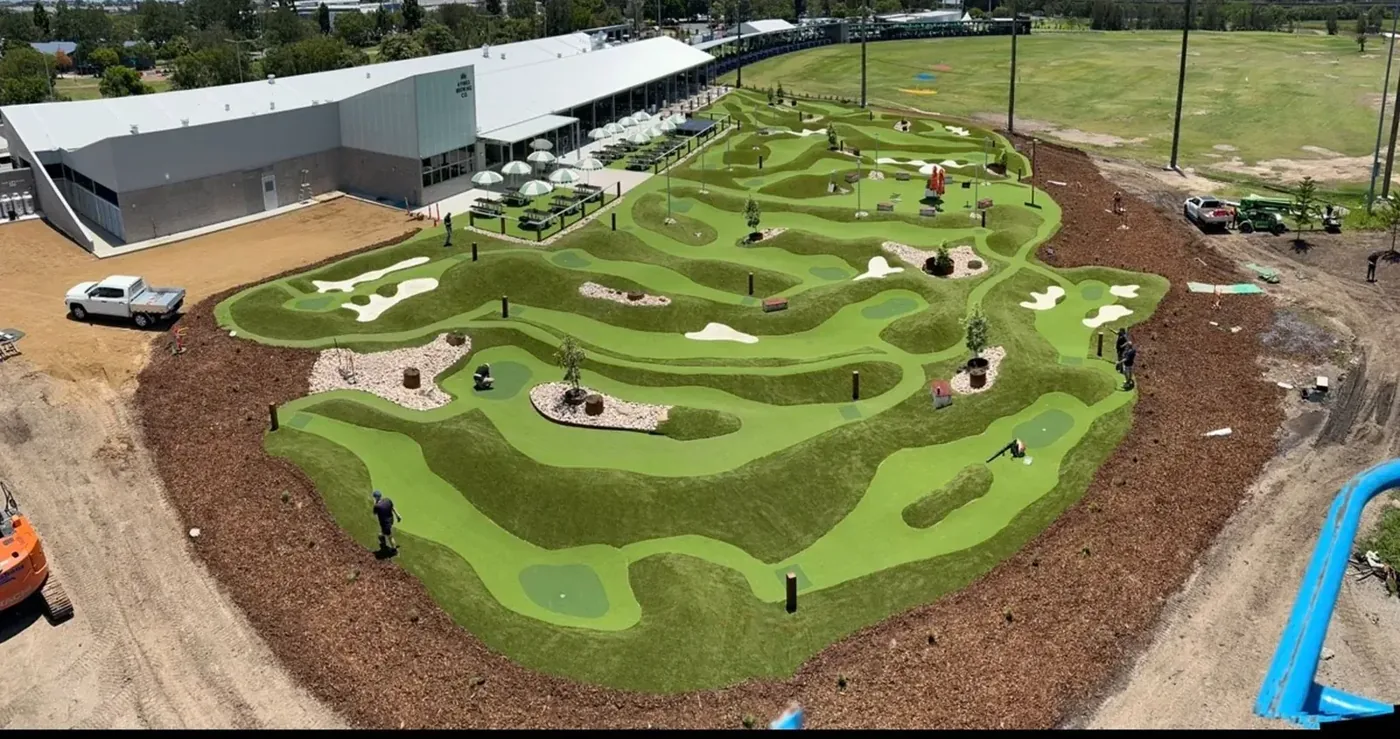
Cost is driven by hole count, course footprint, theming, obstacles, retaining edges, lighting readiness, drainage, base type, turf specification and venue access. The strongest commercial courses balance guest experience with maintainable construction details.
What base and drainage does a course need?
Mini-golf needs precise levels, stable bases, controlled falls and reliable drainage across greens, paths and obstacle zones. Hospitality venues also need surfaces that clean easily after spills and keep guests moving after wet weather.
How long does a mini-golf build usually take?
Timing depends on design complexity, approvals, access and theming. Delivery is staged through concept layout, base and drainage works, obstacle construction, turf install, detailing, inspection and venue handover so opening dates can be planned with confidence.
What maintenance should venue teams expect?
Commercial synthetic turf courses need debris removal, brushing, spill response and periodic inspection of joins, cups, edging and obstacle interfaces. There is no watering, mowing or reseeding, which keeps daily venue operations simple.
What warranty and handover support is included?
Handover covers care guidance, installed-system information and supplier warranty details where applicable. We also identify routine checks that help protect guest presentation, safety and long-term surface performance.
Which venues are best fit — and not best fit?
Mini-golf is best for hospitality, hotels, clubs, resorts and entertainment venues that want dwell time, repeat visits and brand impact. It is not best fit where there is no operational owner, poor circulation, no drainage path or too little space for comfortable player flow.