What drives the cost of commercial synthetic turf?
Cost is shaped by turf grade, pile height, infill, shockpad or underlay, access, removal of existing surfaces, edging, drainage and the amount of base correction required. A stronger base and commercial-grade turf usually deliver better lifecycle value than a low-preparation install.
What drainage and base does synthetic turf need?
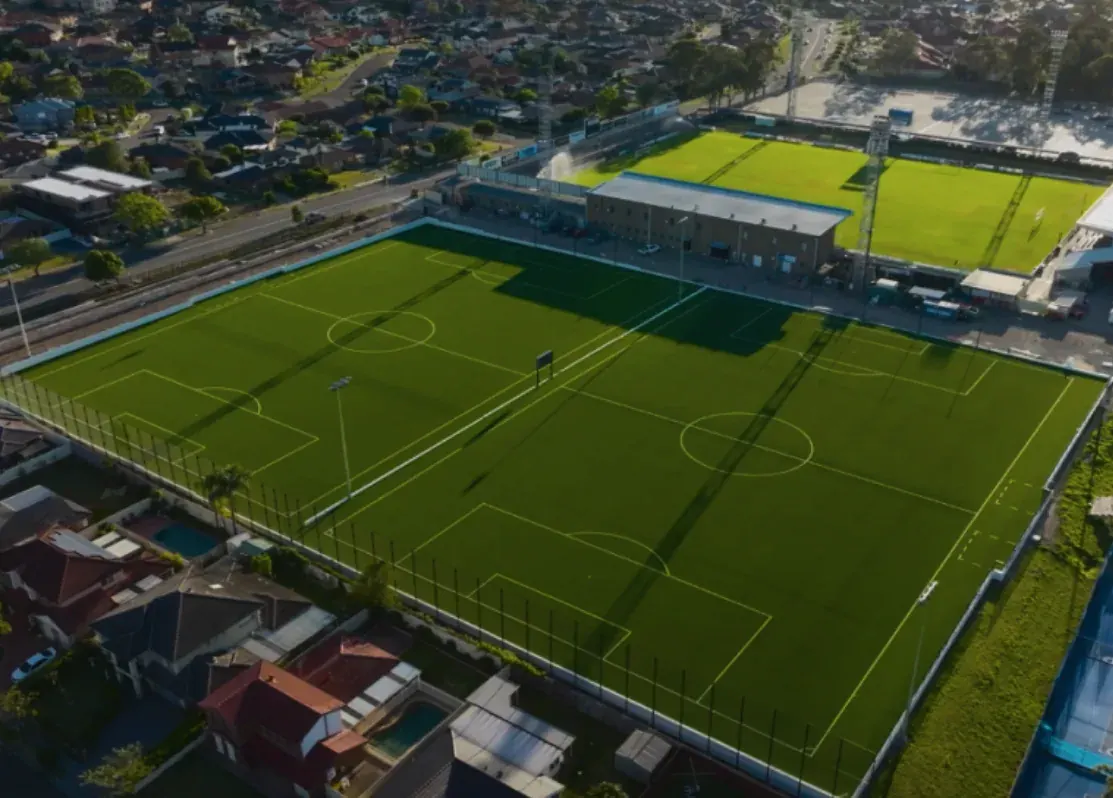
Synthetic turf needs a stable, free-draining base with correct falls to drains or outlets. We assess levels, sub-base depth, compaction, edges and stormwater paths so the surface can drain during Sydney rain instead of holding water under the turf.
How long does installation usually take?
Small commercial areas may be completed in days once approvals and access are ready; schools, rooftops, strata and larger open spaces are staged around demolition, base works, drainage, turf installation and handover. The timeline depends most on preparation complexity and access windows.
What maintenance should owners expect?
Maintenance is low compared with natural grass: remove debris, brush high-use zones, manage spills promptly and schedule periodic inspections for infill, joins and edges. There is no mowing, watering or reseeding, but a care rhythm protects appearance and warranty value.
What handover and warranty information is provided?
Commercial handover includes surface care guidance, supplier warranty information where applicable and project documentation relevant to the installed system. We also explain the maintenance actions that protect lifespan, drainage and presentation after practical completion.
Where is synthetic turf the best fit — and where is it not?
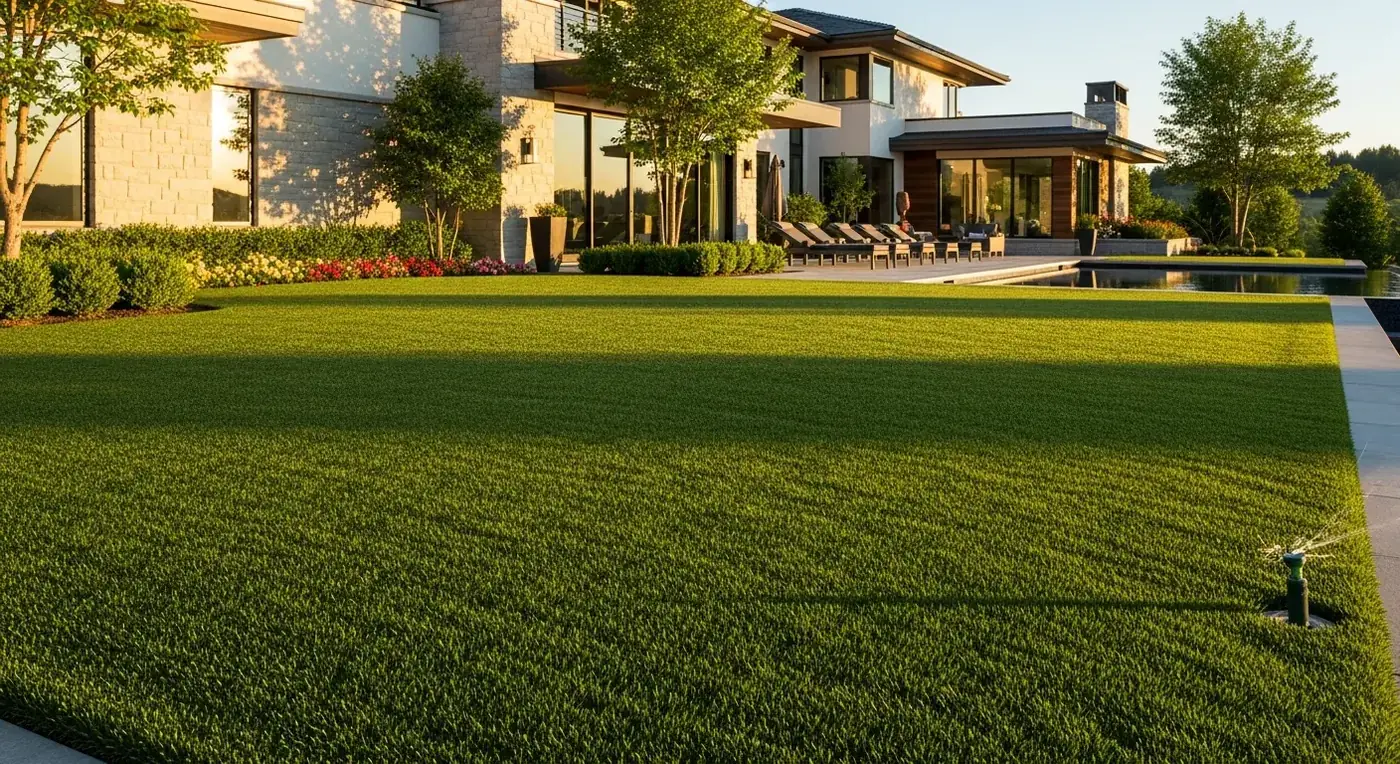
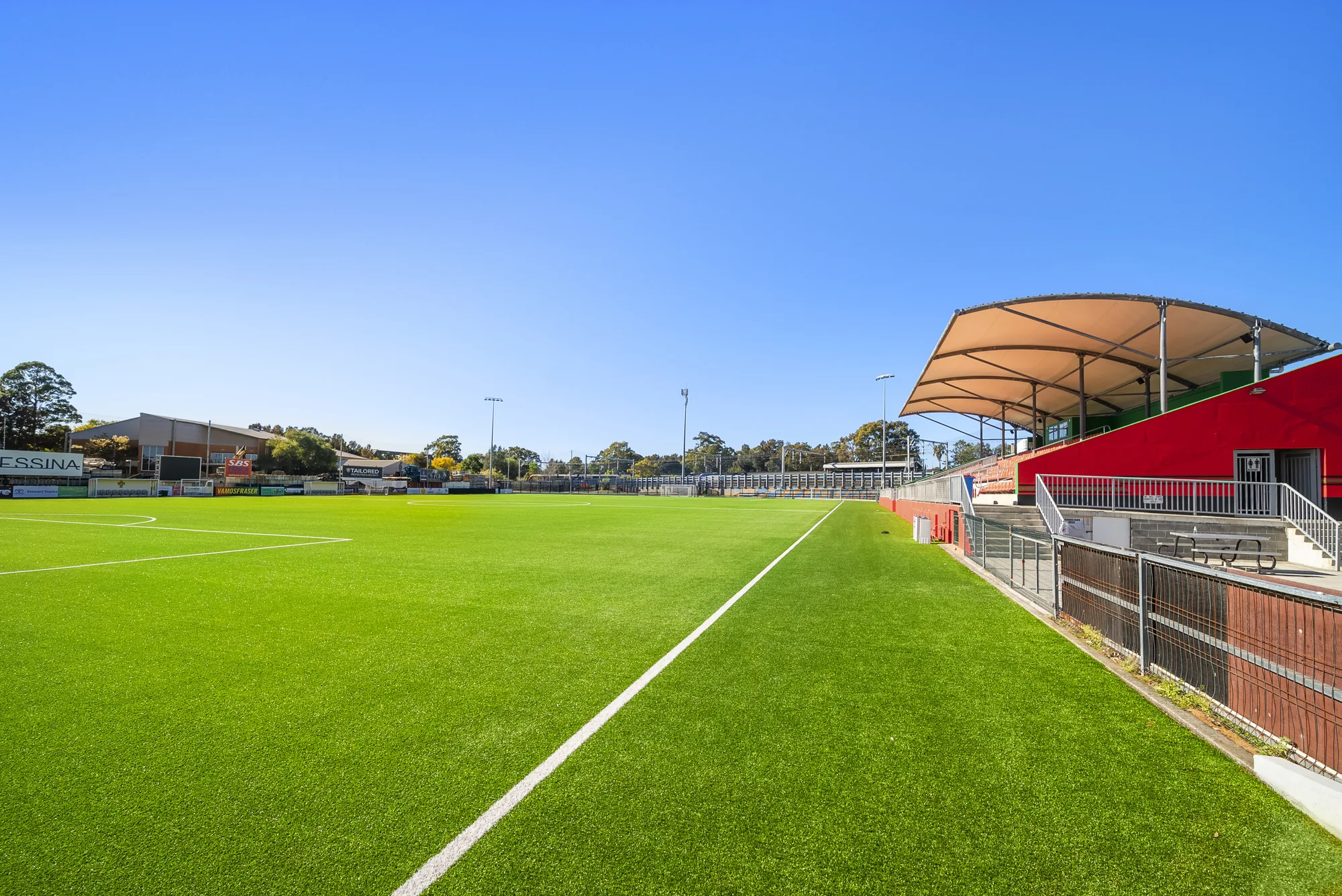
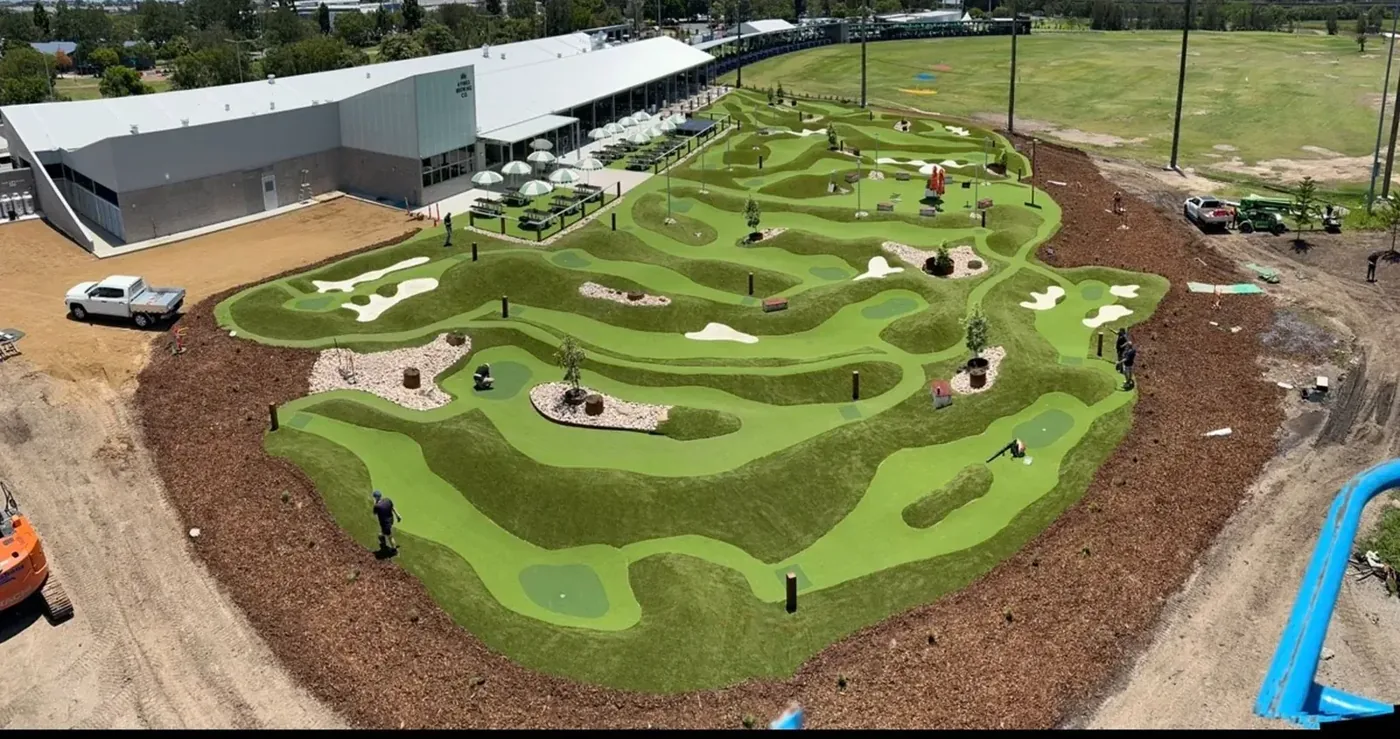
It is a strong fit for schools, rooftops, hospitality areas, strata common areas, pet zones and commercial landscapes where durability and low maintenance matter. It is not the right answer where buyers want a living lawn ecology, where heat exposure cannot be managed, or where drainage cannot be corrected.