Case study
Project proof, built into a reusable evidence page.
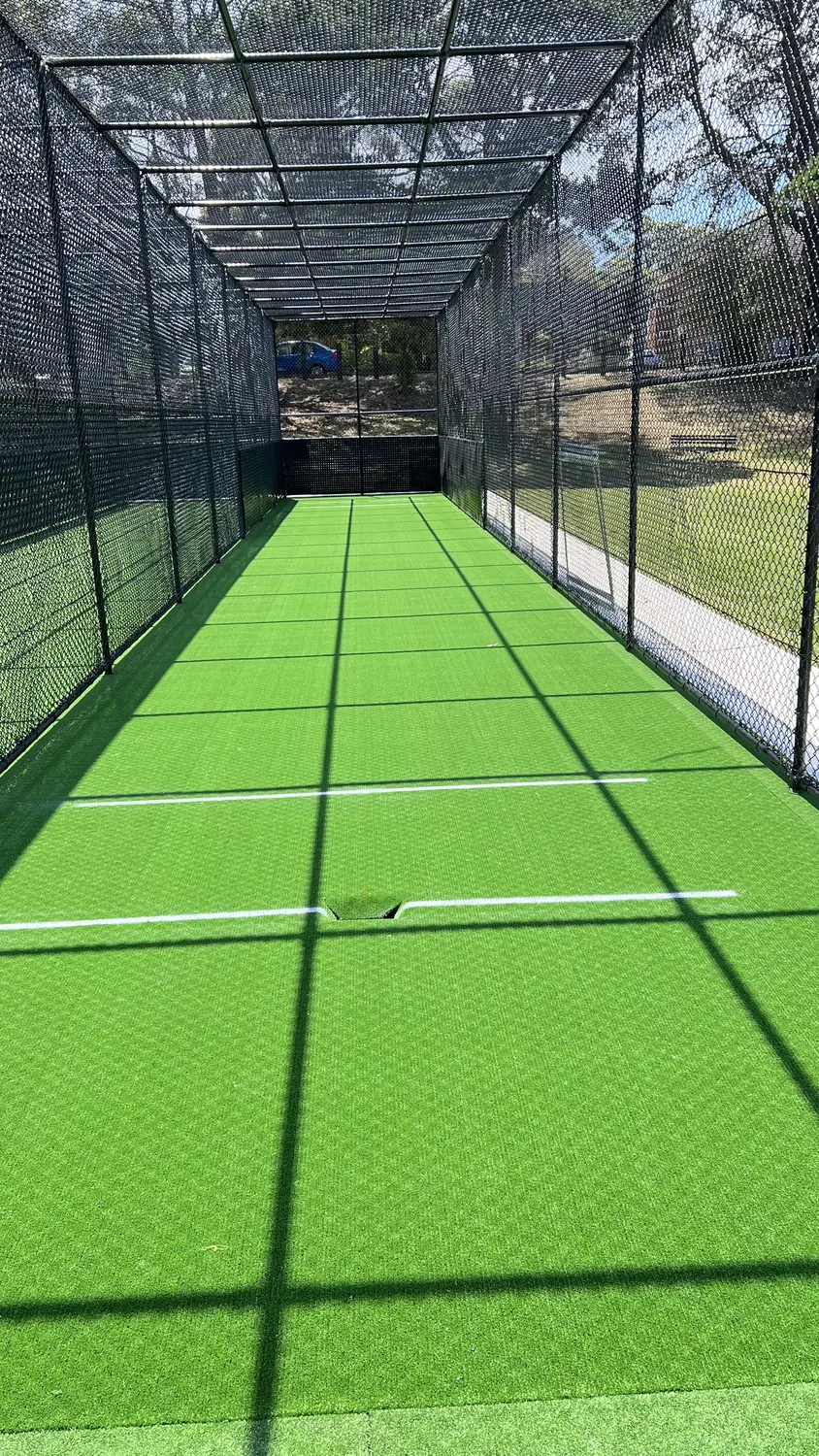
Cricket nets are small compared with full fields, but the wear pattern is intense and concentrated.
This case study is designed to help schools and clubs see cricket practice facilities as engineered sports surfaces, not just enclosed turf strips.
Challenge
Cricket training areas need a controlled, durable practice environment that can handle repeated run-ups, ball impact and seasonal use.
Solution
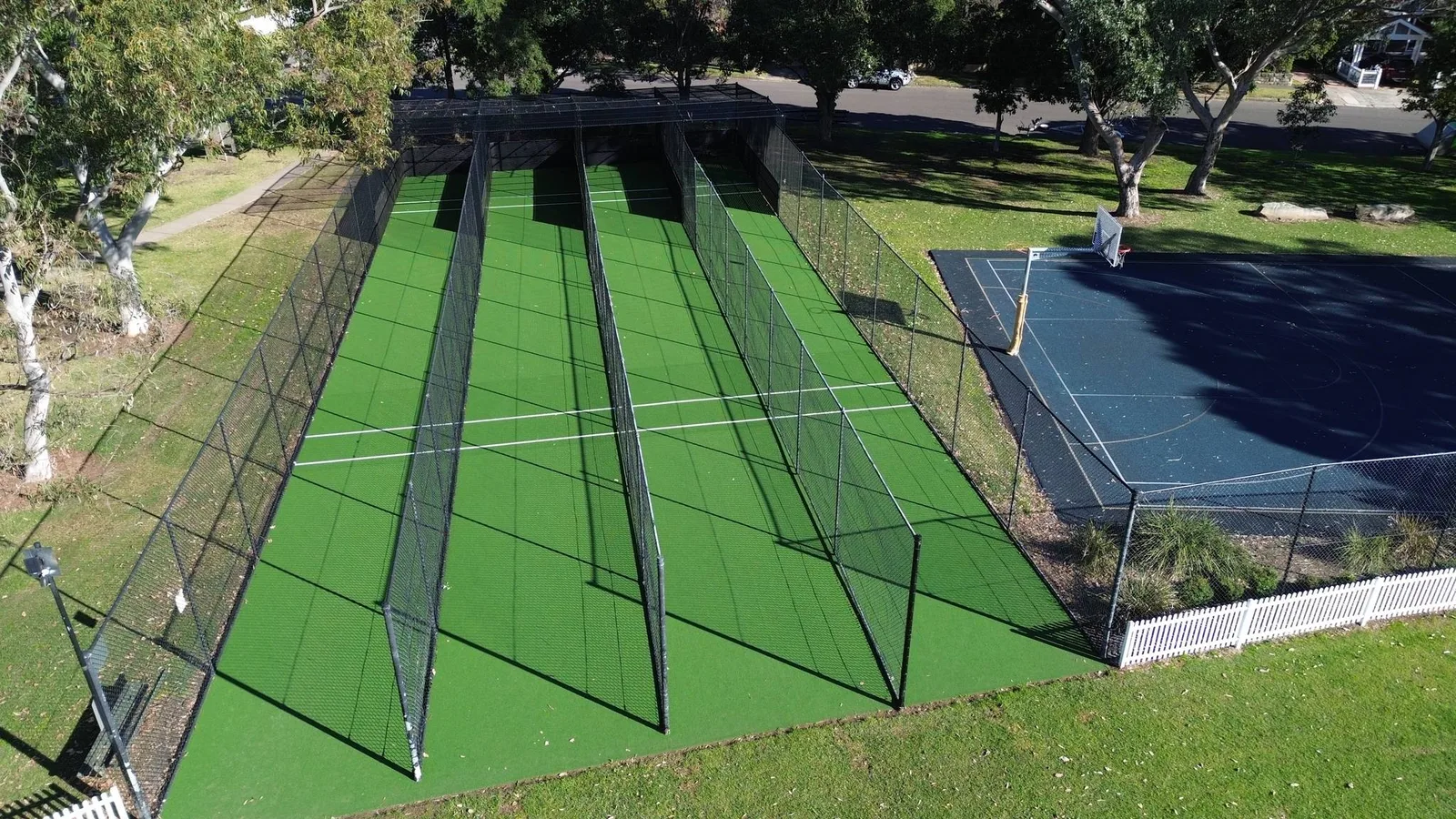
JL Turf Group delivered synthetic cricket-net surfacing and cage-area detailing for a reliable practice facility.
Outcome
A dedicated cricket practice asset for clubs and schools that need reliable training capacity.
Materials / systems
Synthetic cricket turf · Practice-net cage interface · Prepared training base
Visible proof
Public proof cards for buyer validation.
These facts are intentionally limited to approved marketing evidence: no private budgets, correspondence, client details or unpublished approvals.
Project size
Dedicated cricket practice net lanes and cage-area surfacing
Location
Sydney NSW
Surface system
Synthetic cricket turf, enclosed practice-lane surfacing, cage interfaces and prepared training bases.
Base and drainage
Practice-lane bases were prepared for concentrated run-up and batting-crease wear patterns.
Timeline
Delivered as a focused cricket training asset from base preparation through turf and cage-area finish.
Constraints
Handle concentrated cricket wear zones · Coordinate turf joins with cage interfaces · Keep site identity broad where not approved for naming
Handover
Aerial and inside-cage images show the completed training layout and enclosed practice surface.
Maintenance notes
Cricket nets need regular brushing, crease/run-up wear checks, cage-interface inspections and debris removal.
Buyer outcome
Reliable repeat training capacity for schools, clubs and community cricket facilities.